Around Us er laget for telefonen din — rett kameraet mot gatene og oppdag monumentene og stedene rundt deg i utvidet virkelighet.Around Us er laget for telefonen din — kister låses opp når du går, utforsker og fanger steder i nærheten.
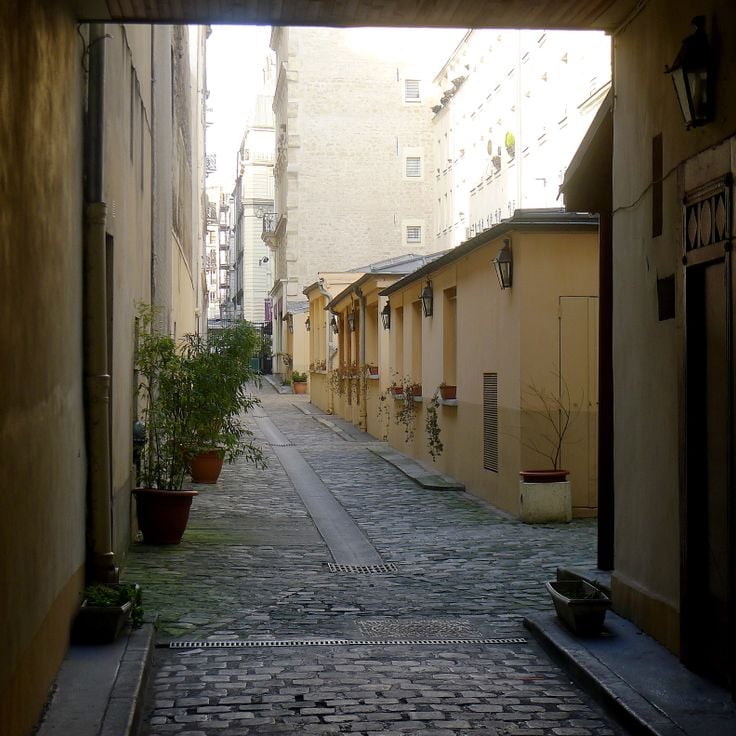
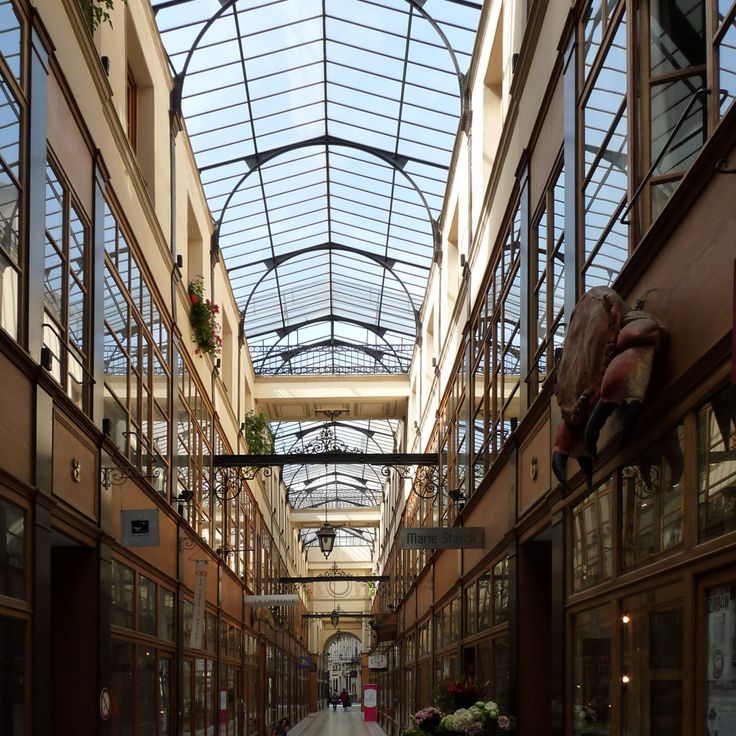
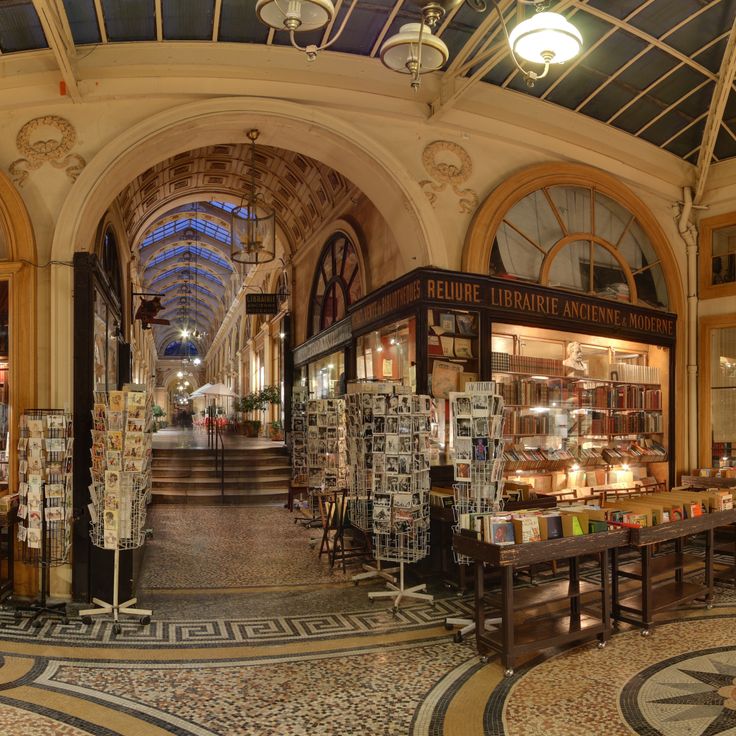
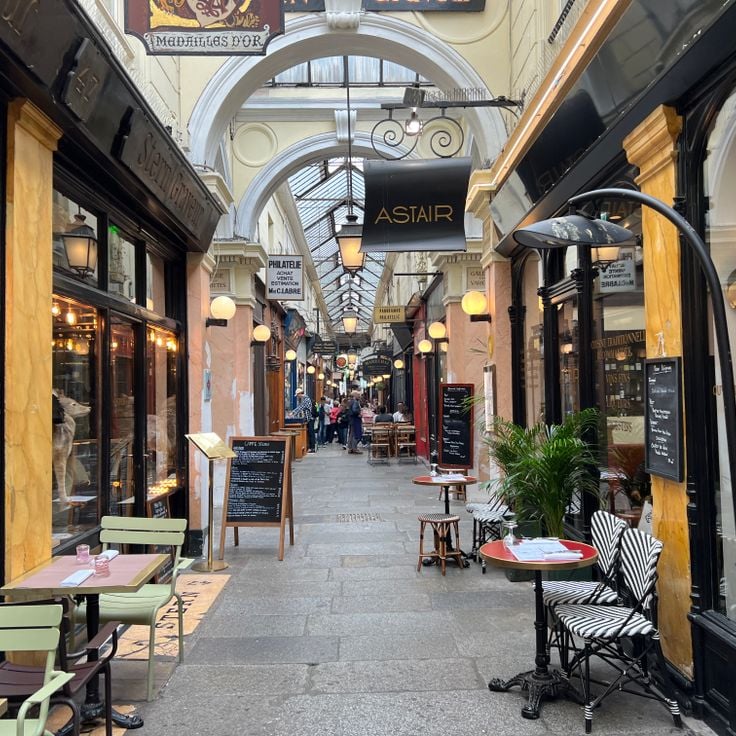
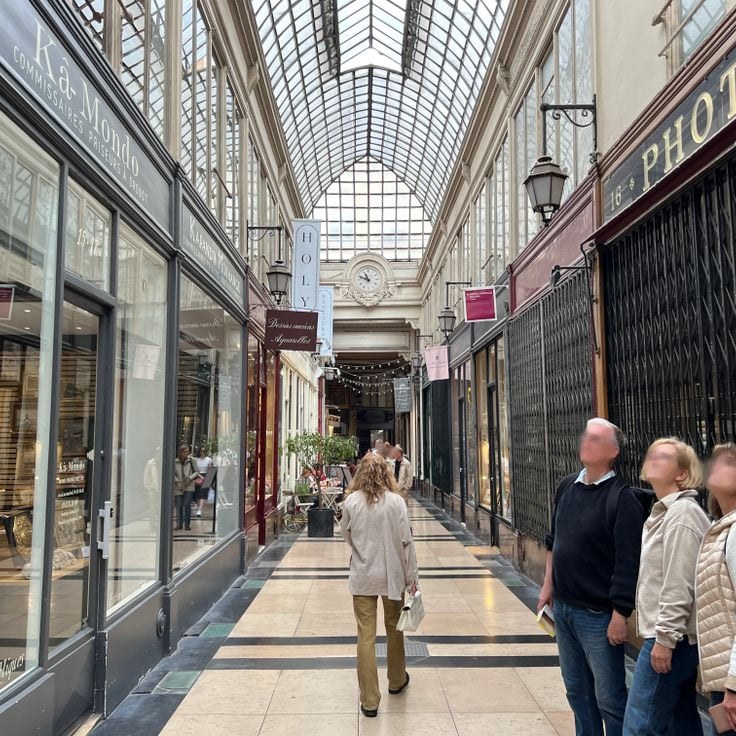
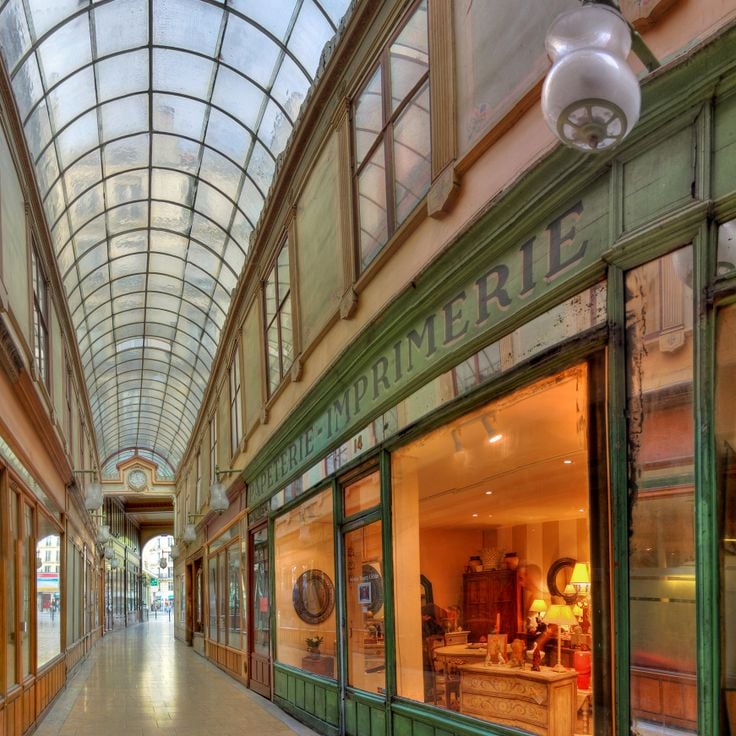
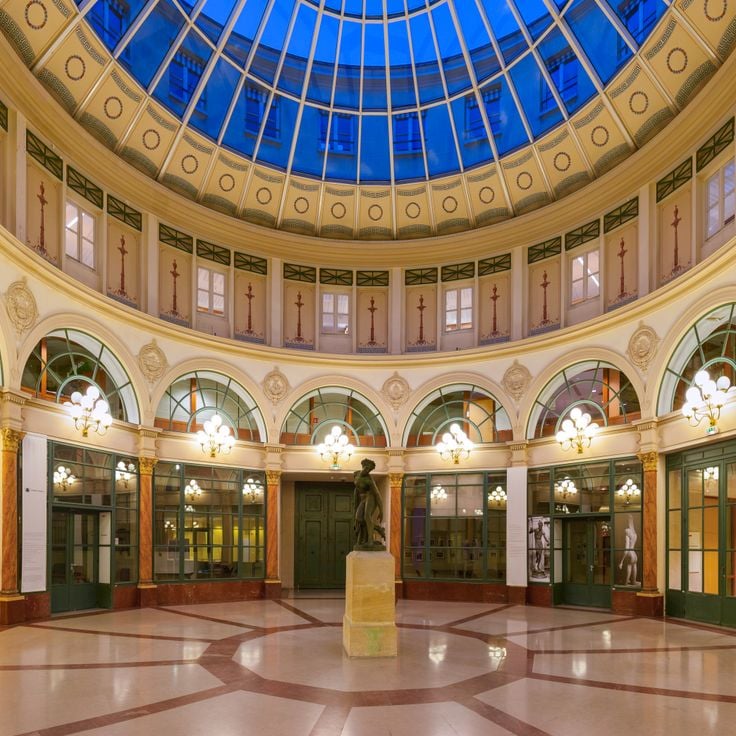
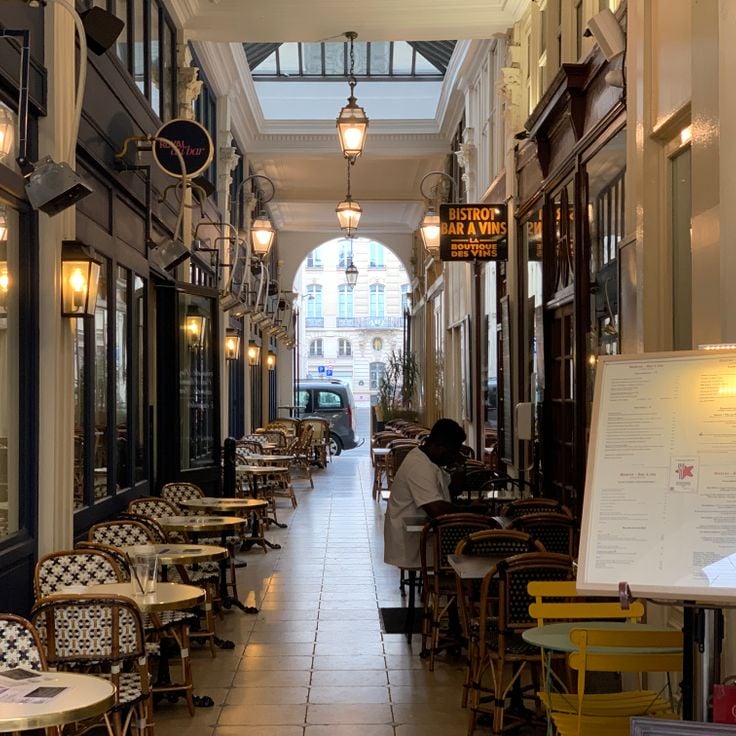
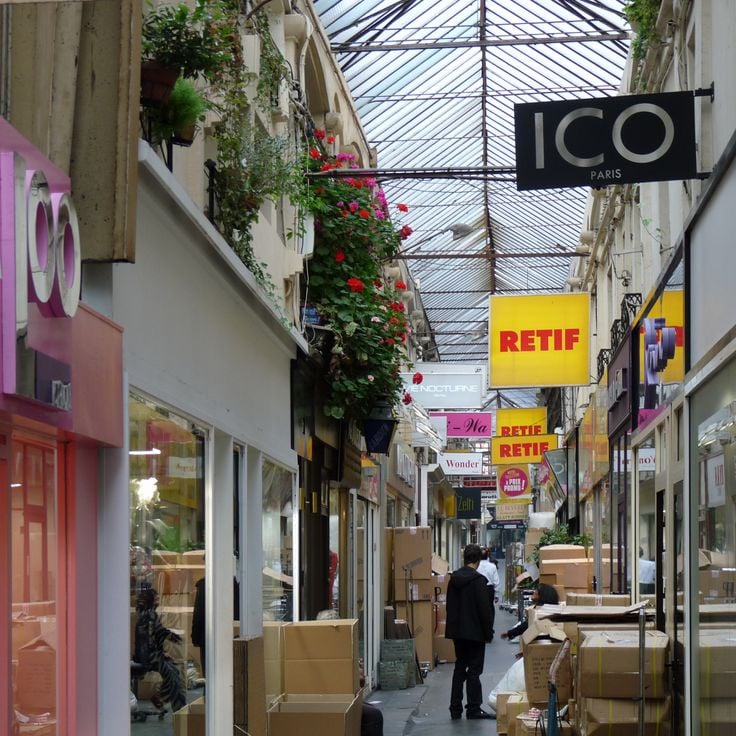
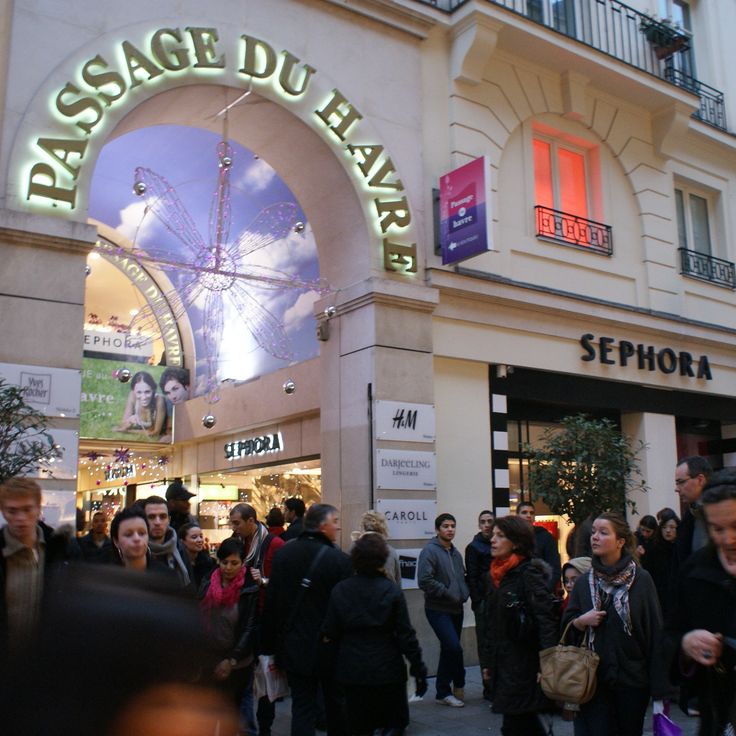
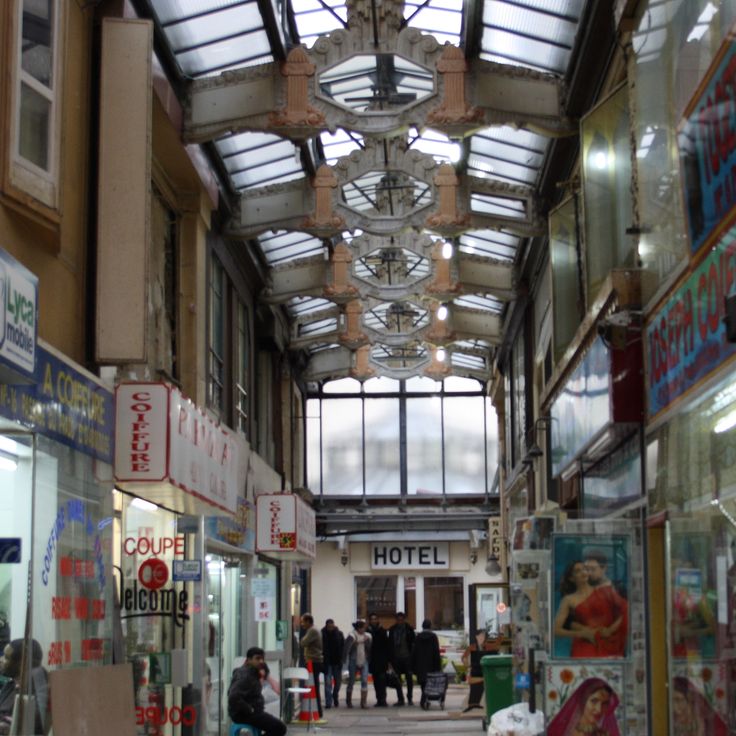
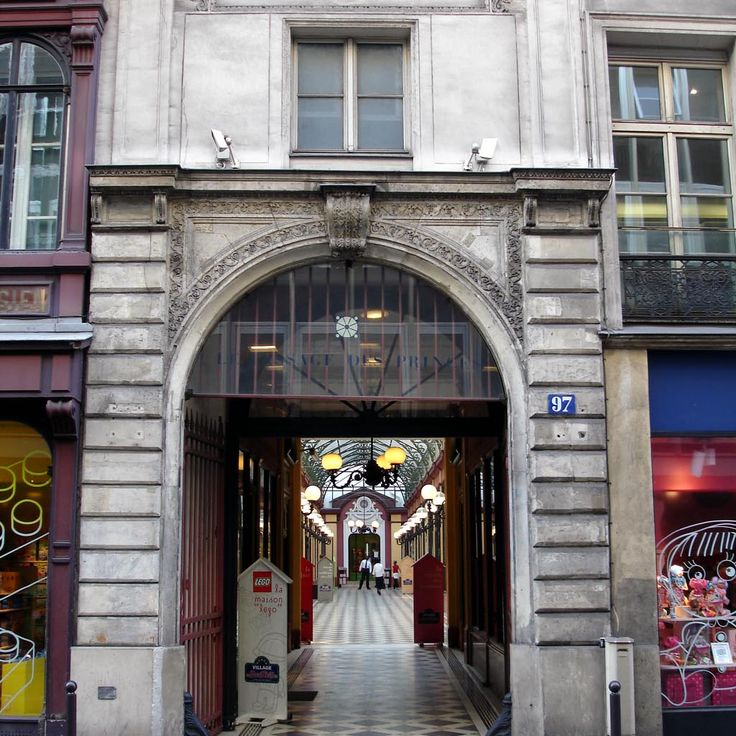
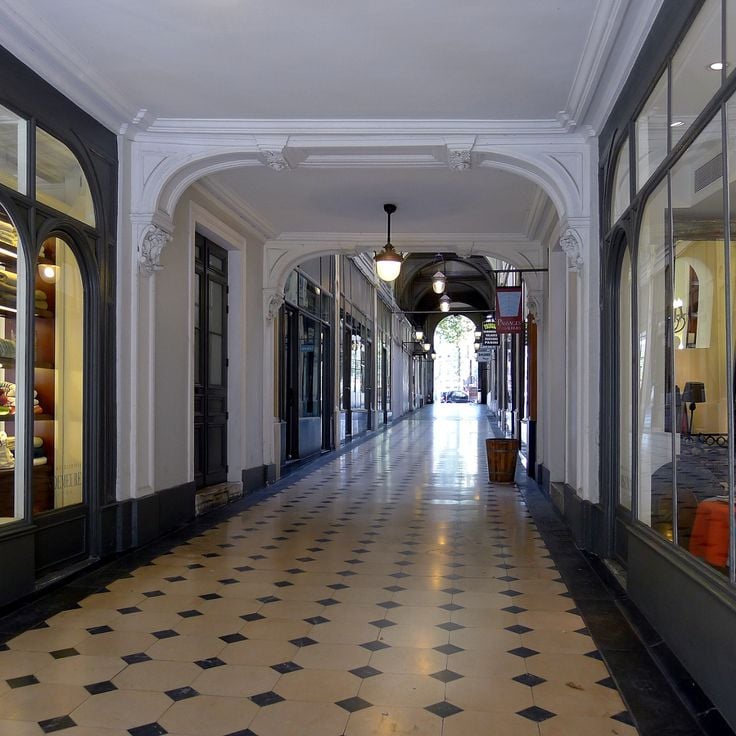
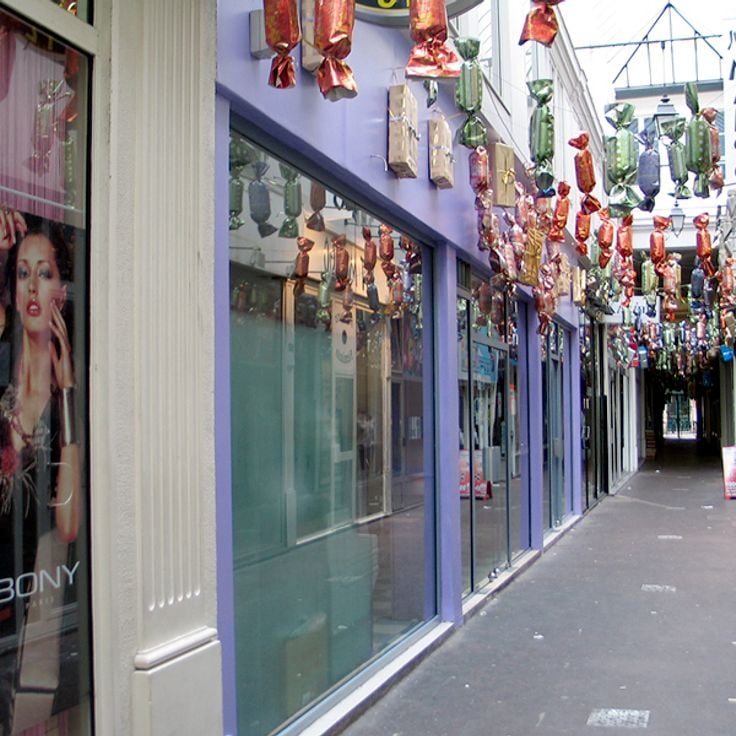
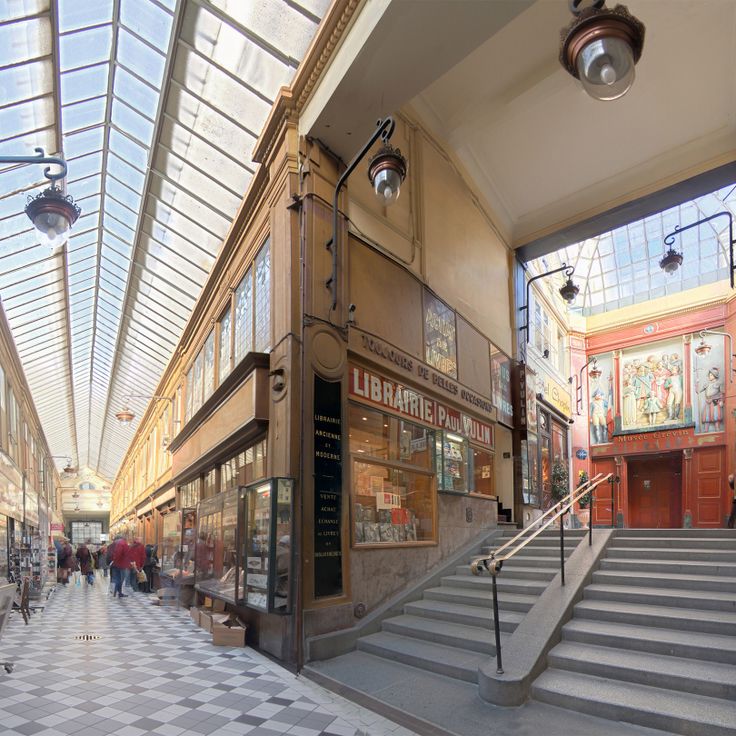
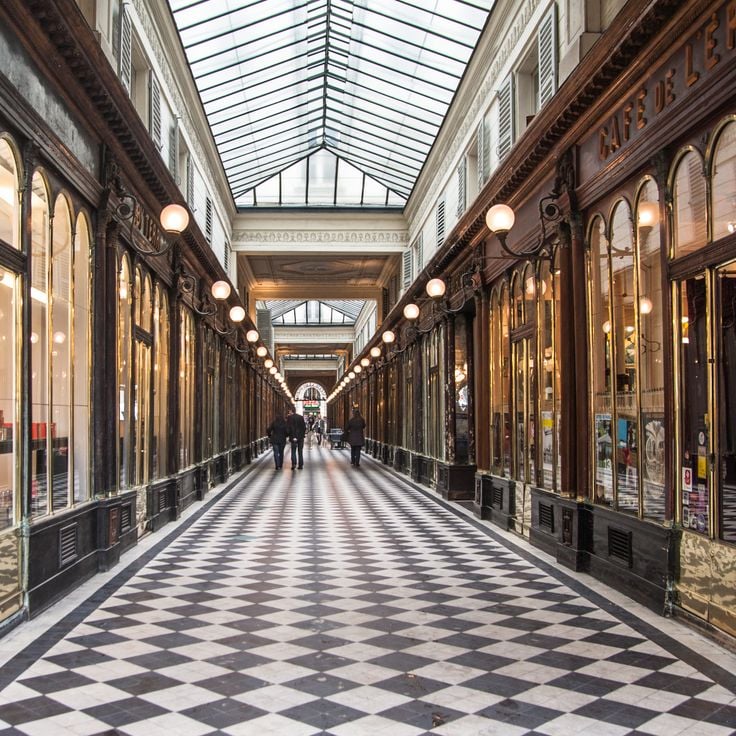
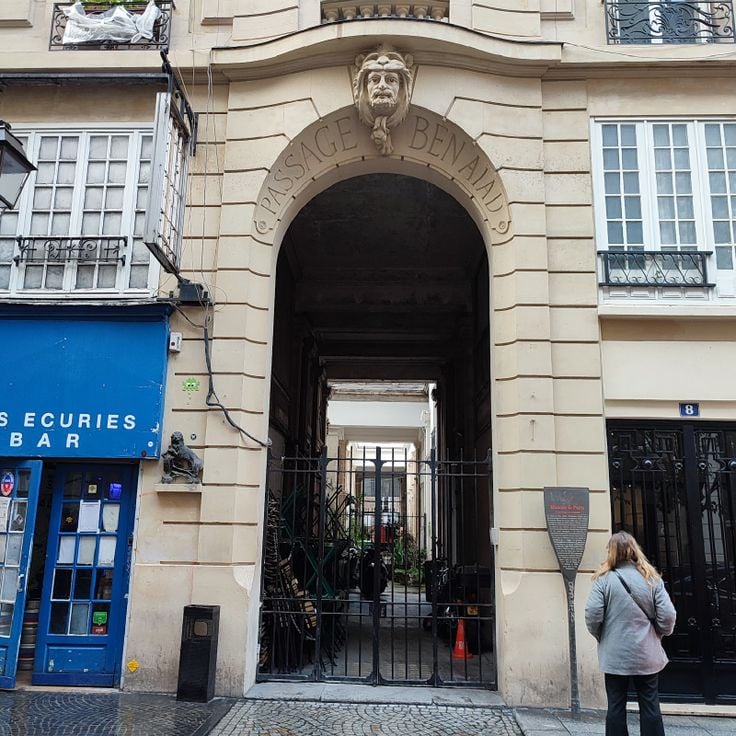
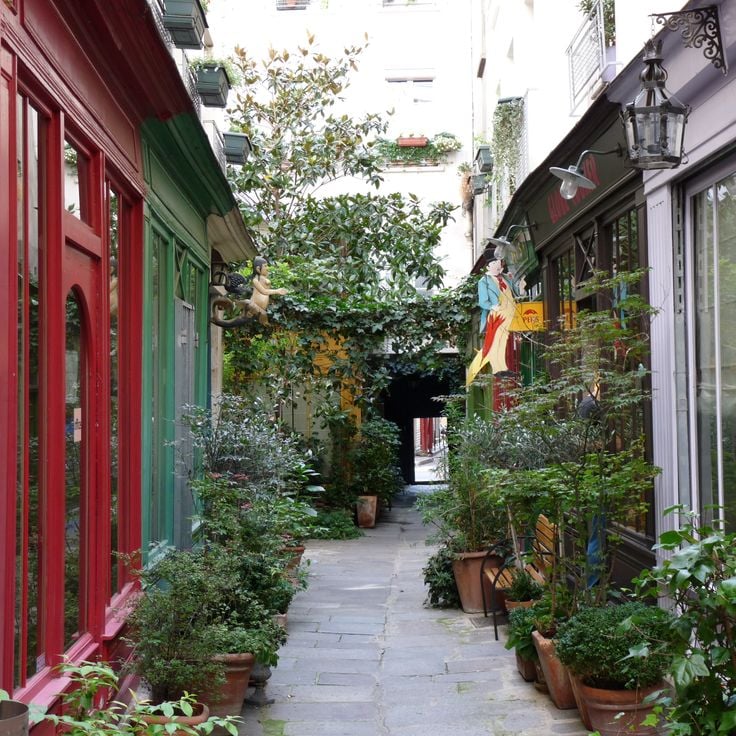
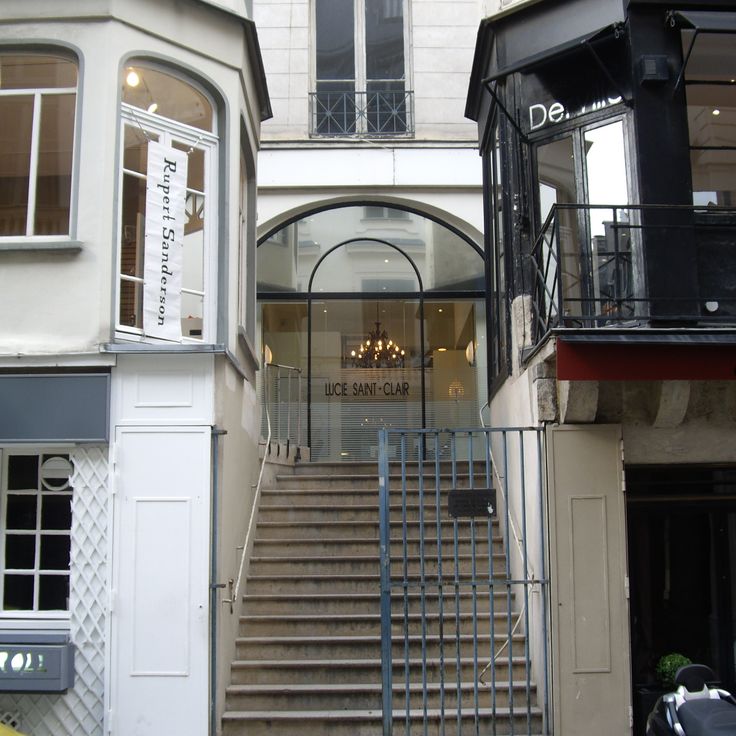
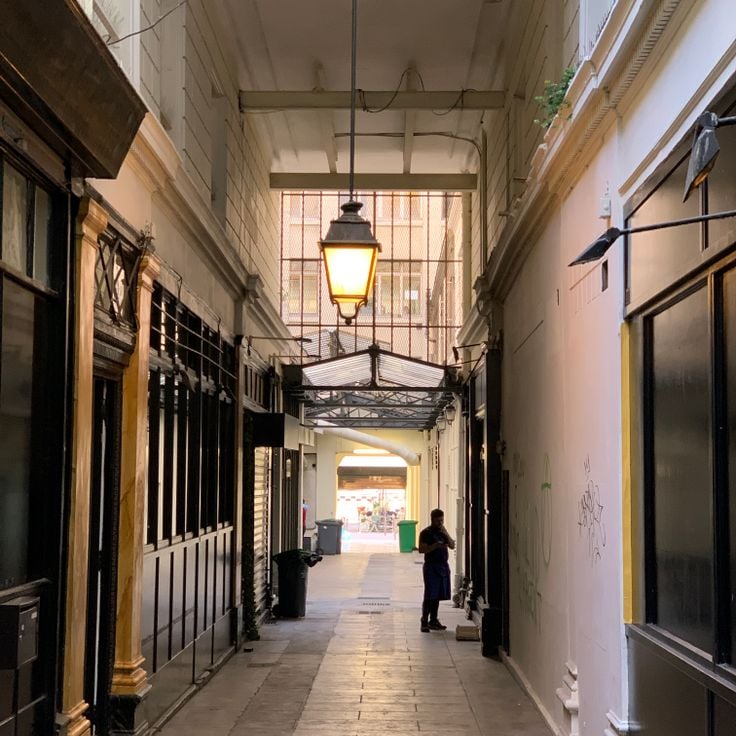
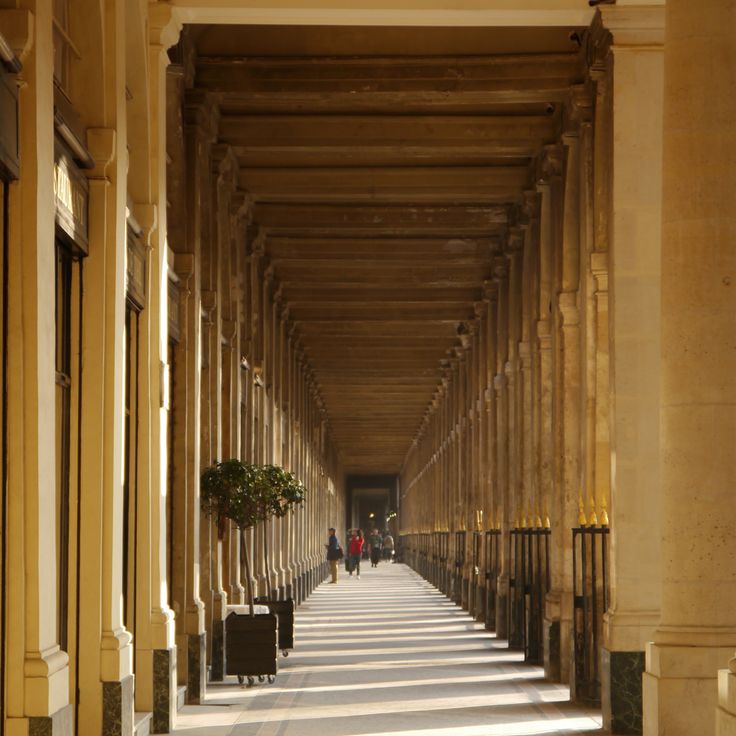
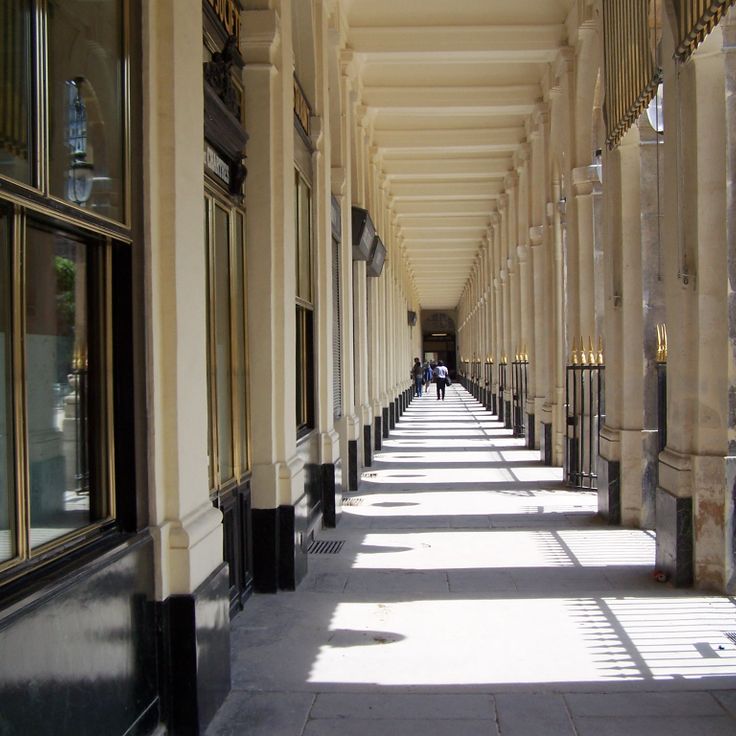
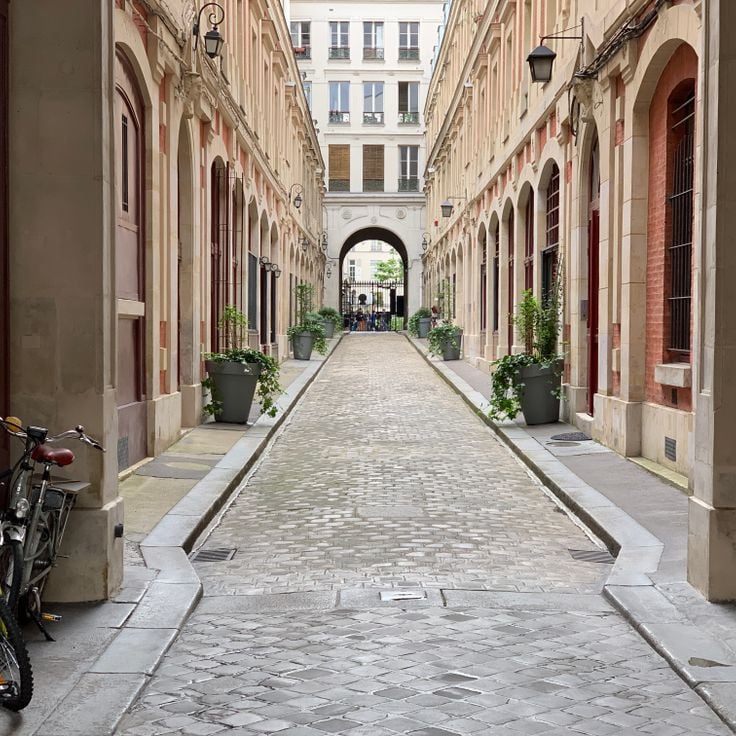
The covered passages of Paris are major commercial inventions from the early 19th century. Built between 1798 and 1850, these galleries shield pedestrians from weather and street mud with glass and wrought iron roofs. Passages like the Passage des Panoramas, opened in 1799, were pioneers with gas lighting, while Galerie Vivienne (1823) features mosaic floors and neoclassical decorations. The Passage du Grand-Cerf stands out with a height of 12 meters under its glass roof.
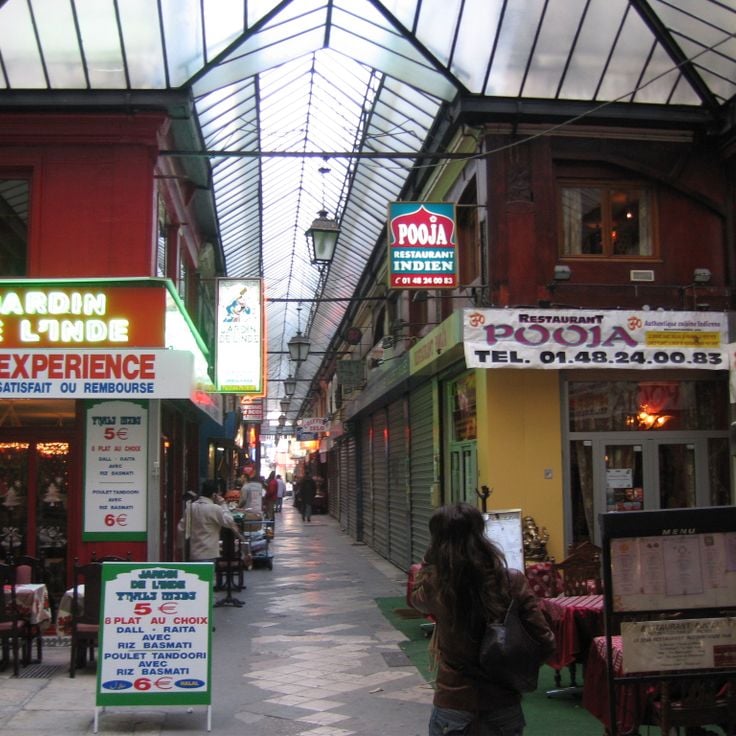
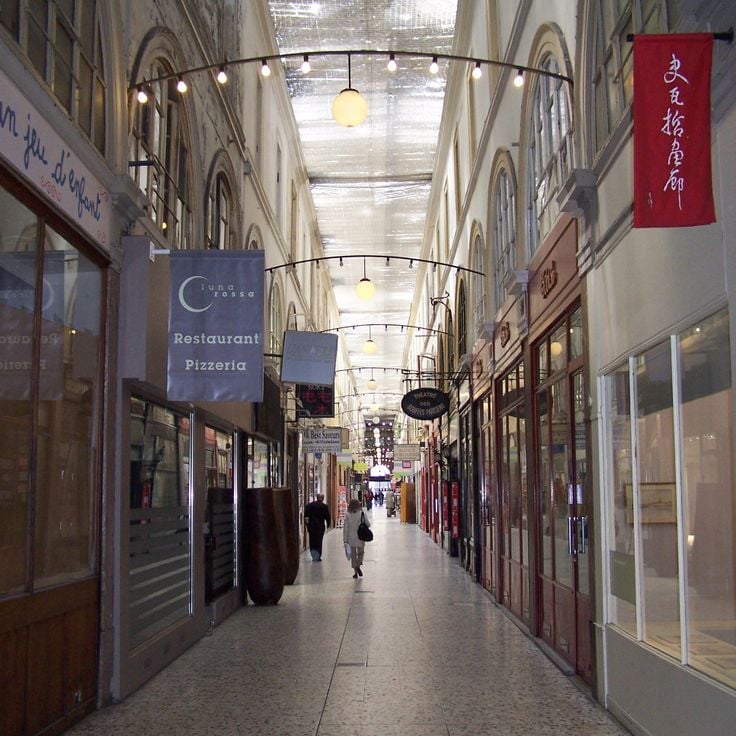
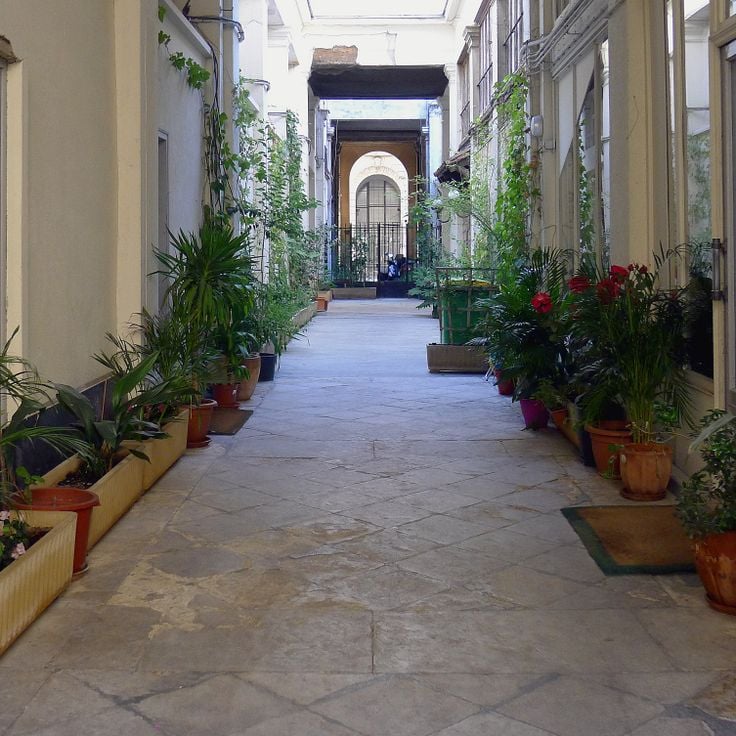
Today, around thirty passages remain in the 2nd, 9th, and 10th arrondissements. They host various shops: antique bookstores and fashion boutiques at Passage Choiseul, Indian restaurants and spice shops at Passage Brady, fabric vendors at Passage du Caire with Egyptian motifs. Galerie Colbert now houses two art research institutes. These galleries offer insights into a lesser-known part of 19th-century Paris commerce, preserving wooden facades, wrought iron railings, and period signage.
The covered passages of Paris are major commercial inventions from the early 19th century. Built between 1798 and 1850, these galleries shield pedestrians from weather and street mud with glass and wrought iron roofs. Passages like the Passage des Panoramas, opened in 1799, were pioneers with gas lighting, while Galerie Vivienne (1823) features mosaic floors and neoclassical decorations. The Passage du Grand-Cerf stands out with a height of 12 meters under its glass roof.
Today, around thirty passages remain in the 2nd, 9th, and 10th arrondissements. They host various shops: antique bookstores and fashion boutiques at Passage Choiseul, Indian restaurants and spice shops at Passage Brady, fabric vendors at Passage du Caire with Egyptian motifs. Galerie Colbert now houses two art research institutes. These galleries offer insights into a lesser-known part of 19th-century Paris commerce, preserving wooden facades, wrought iron railings, and period signage.