Green spaces and burial sites: how Europe turned cemeteries into places for remembrance and walking.
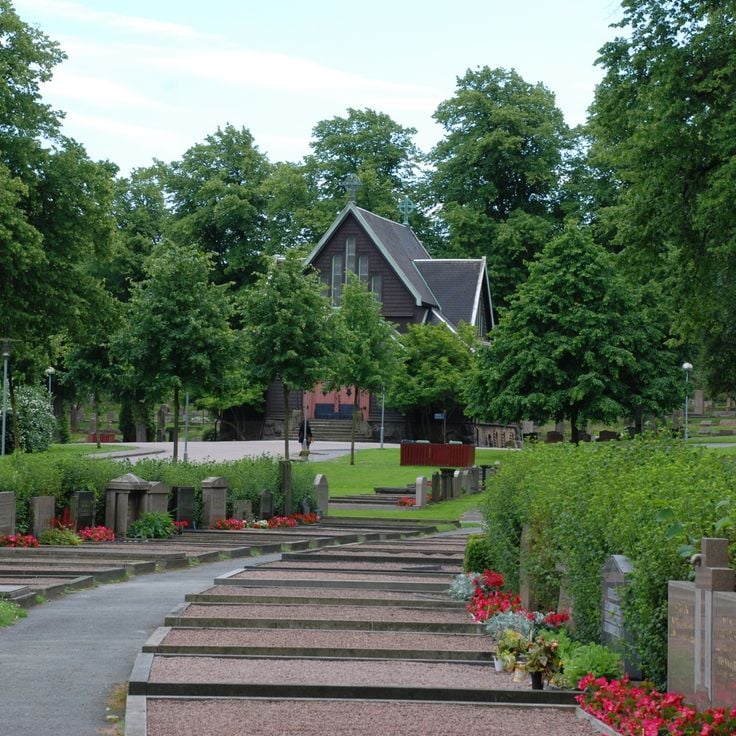
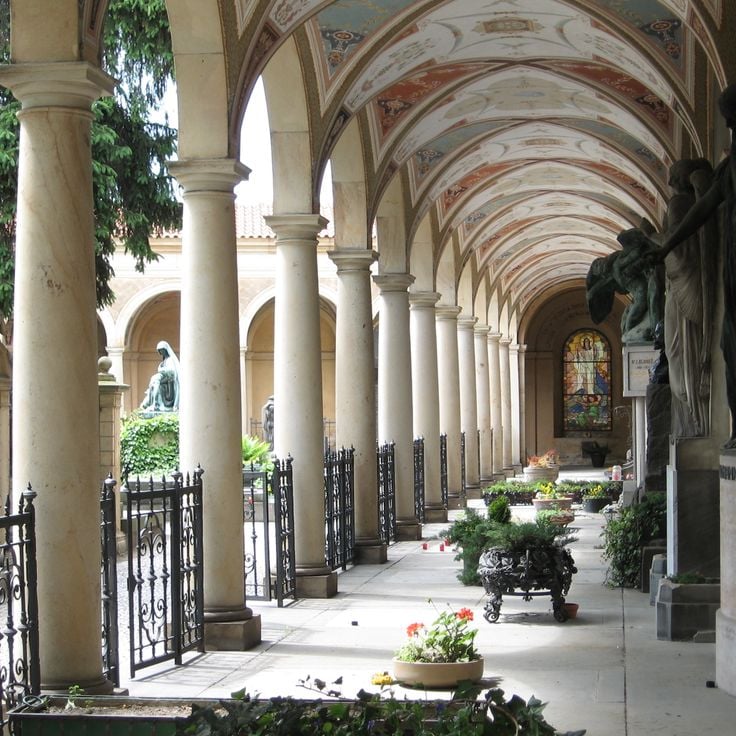
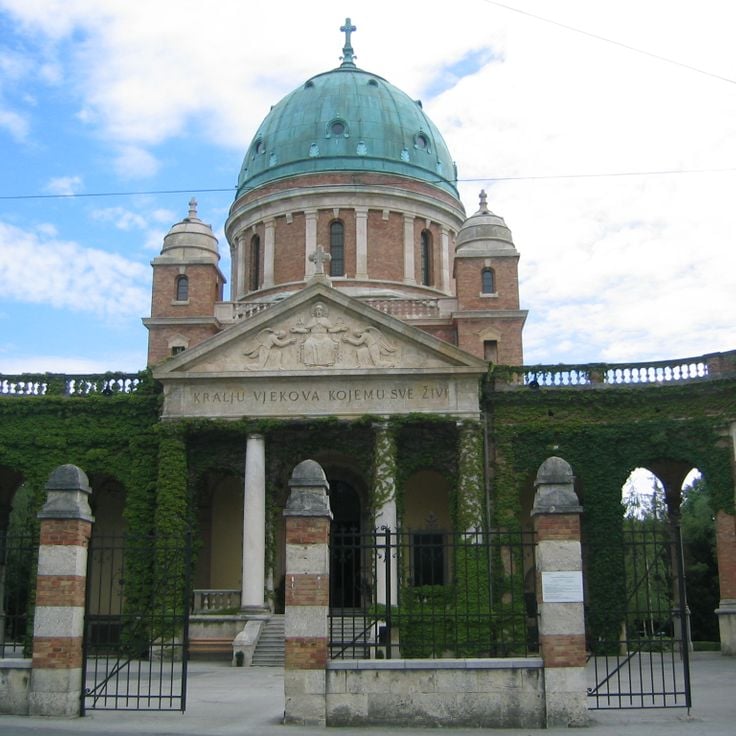
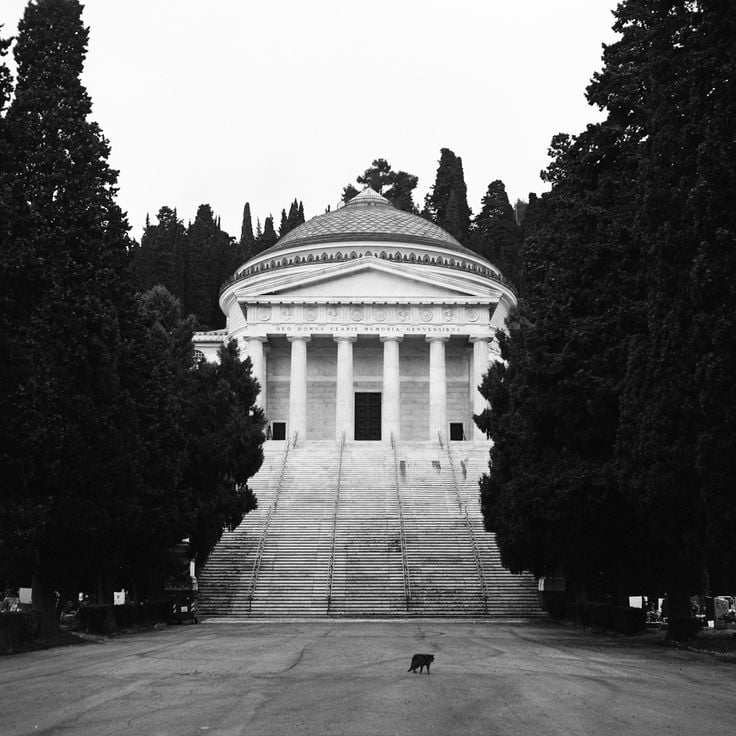
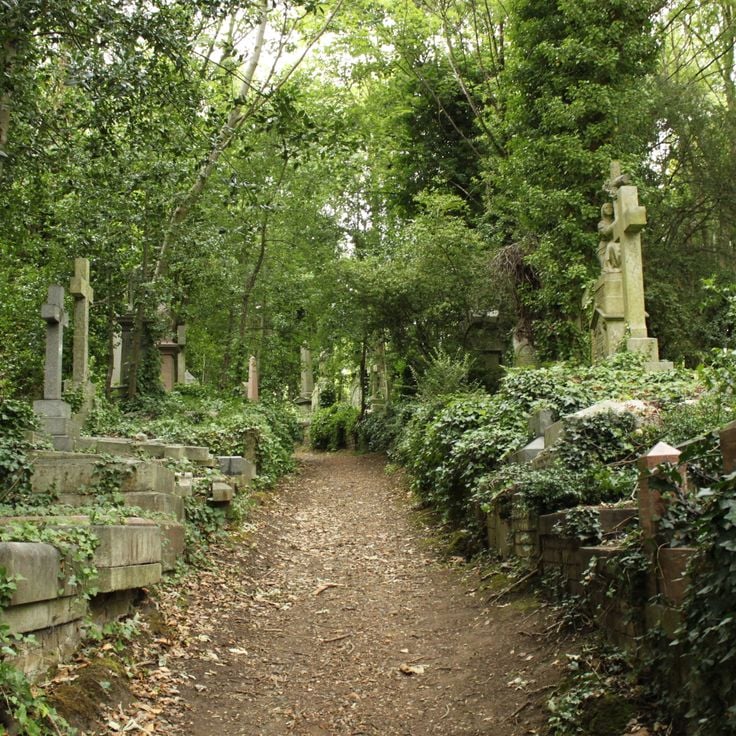
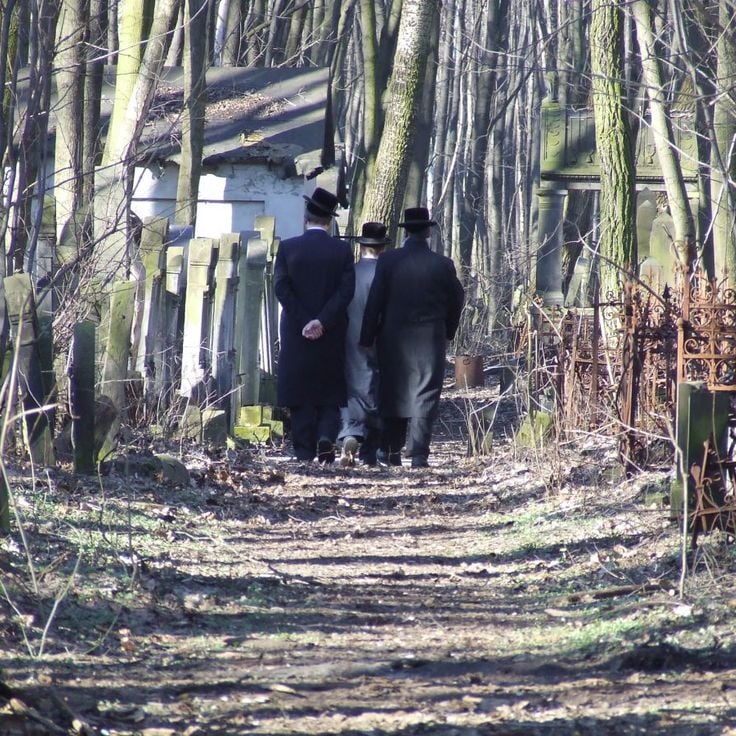
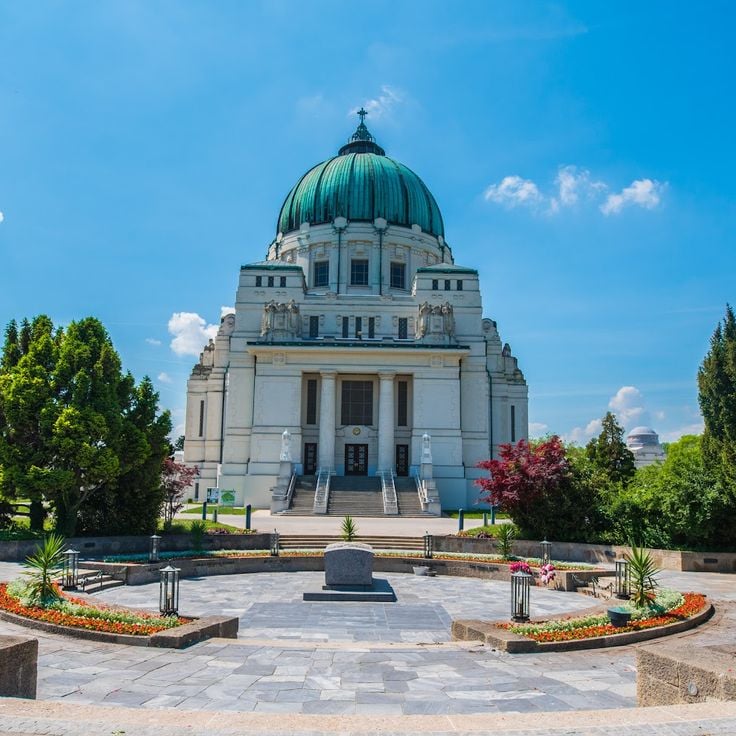
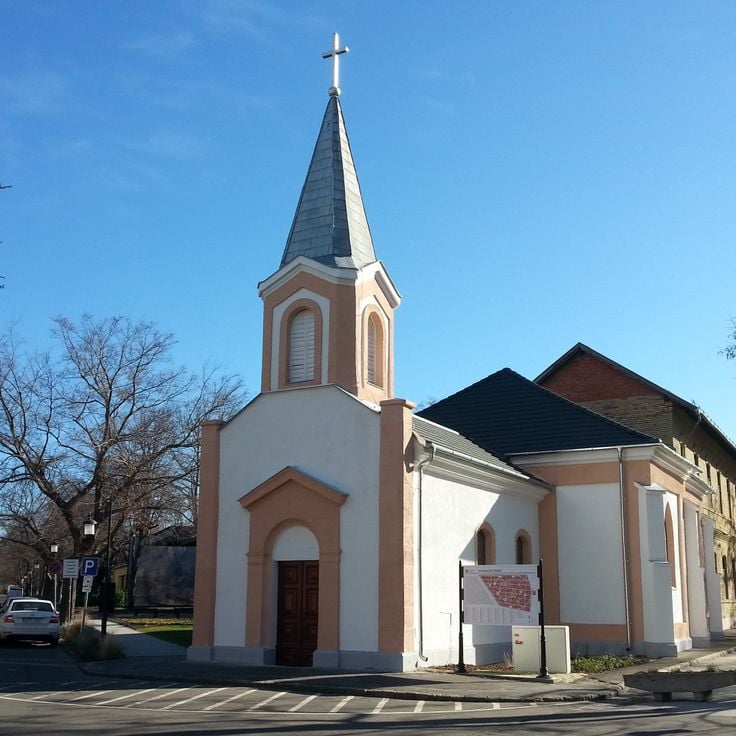
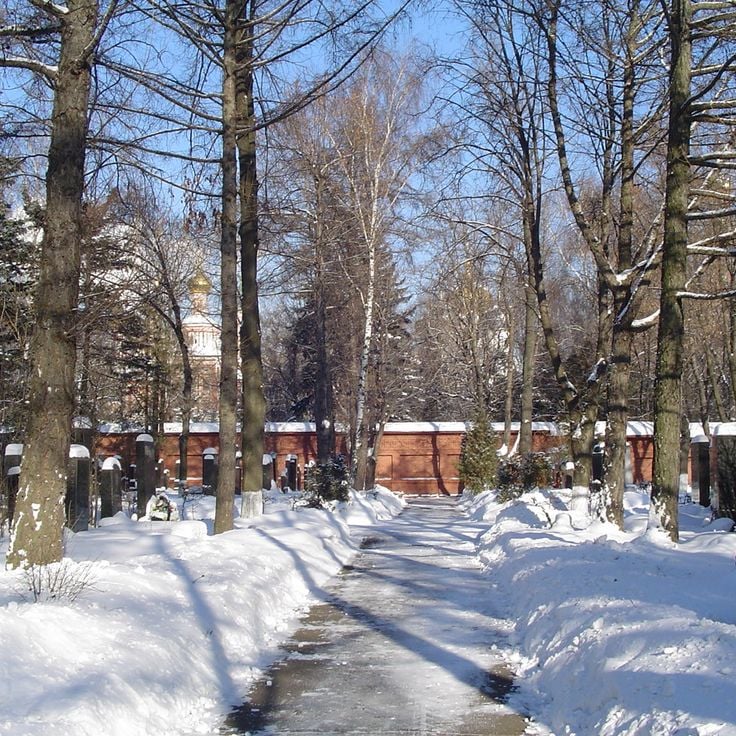
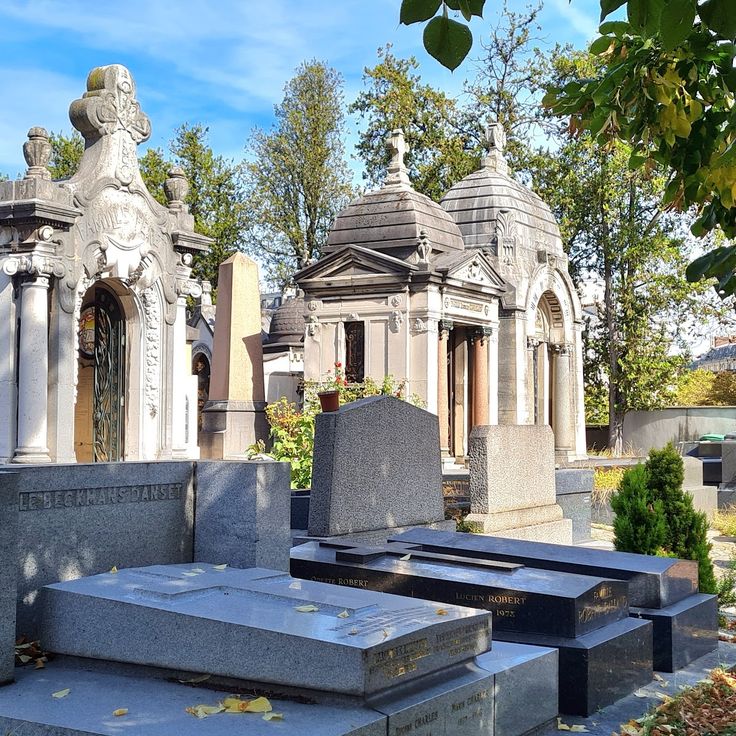
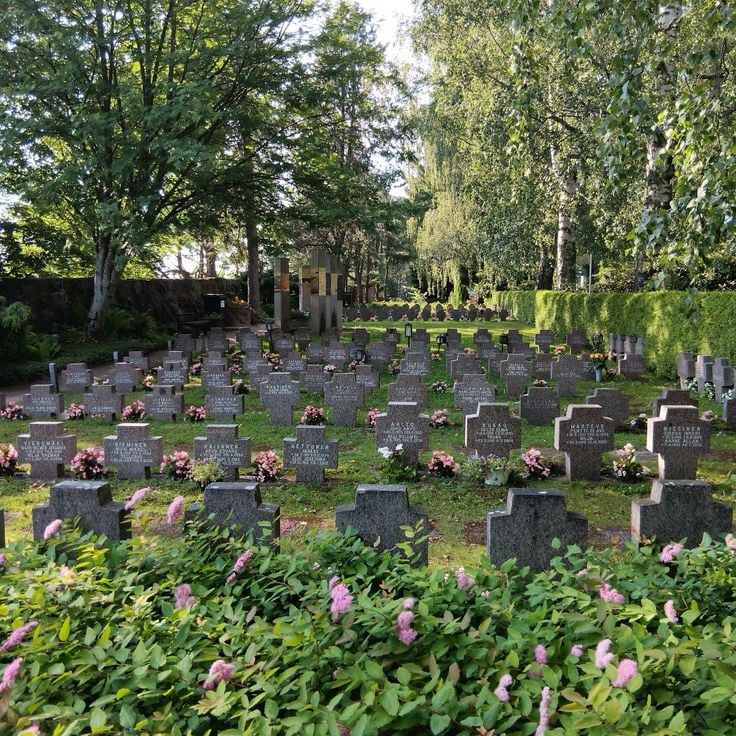
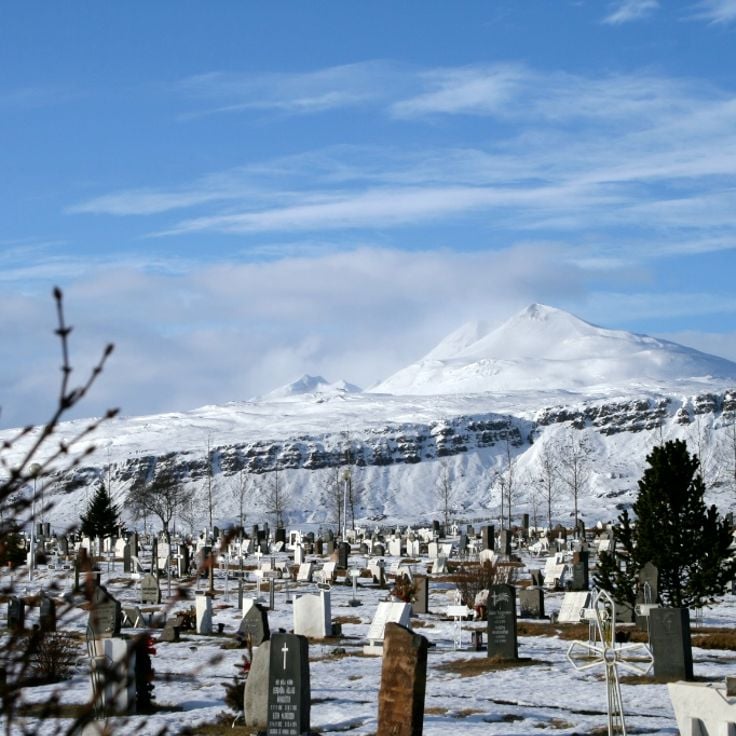
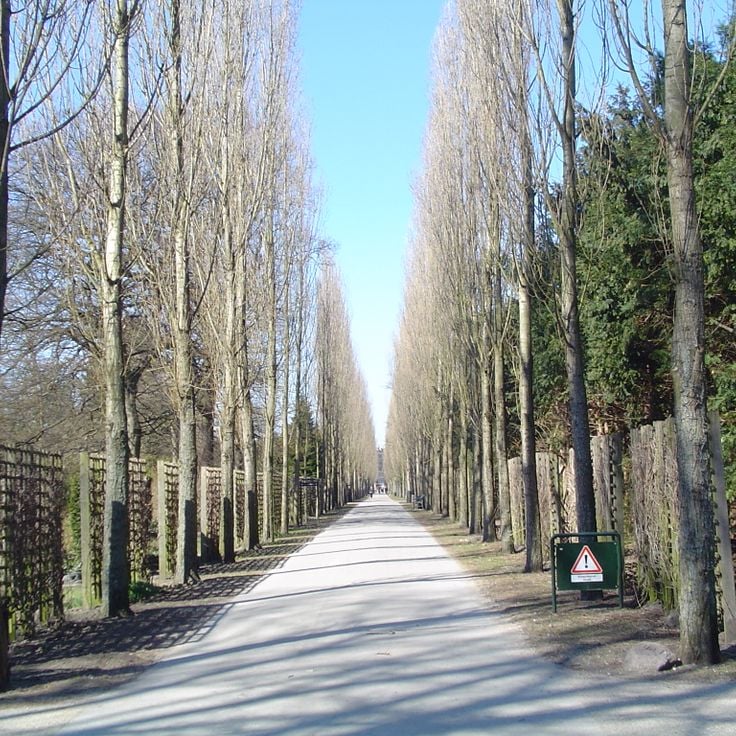
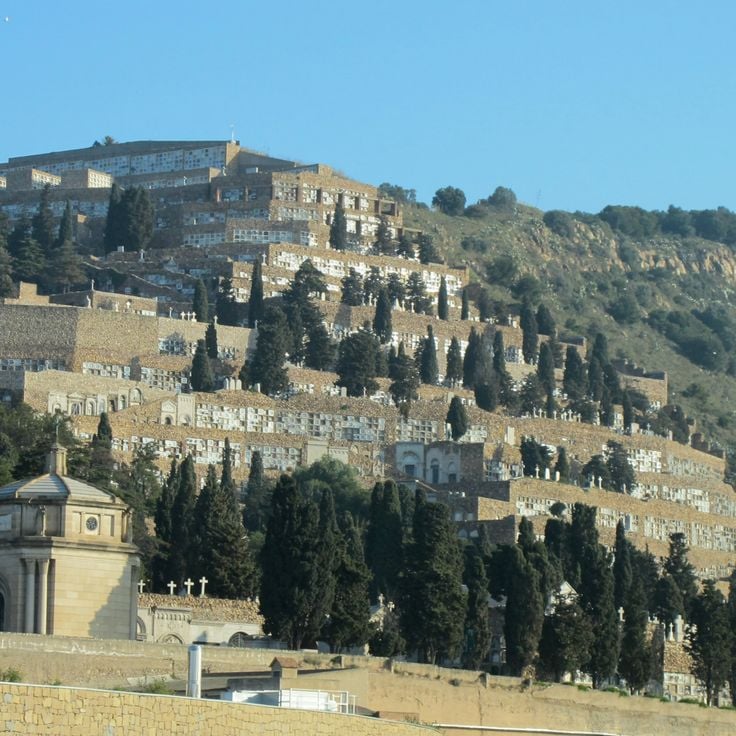
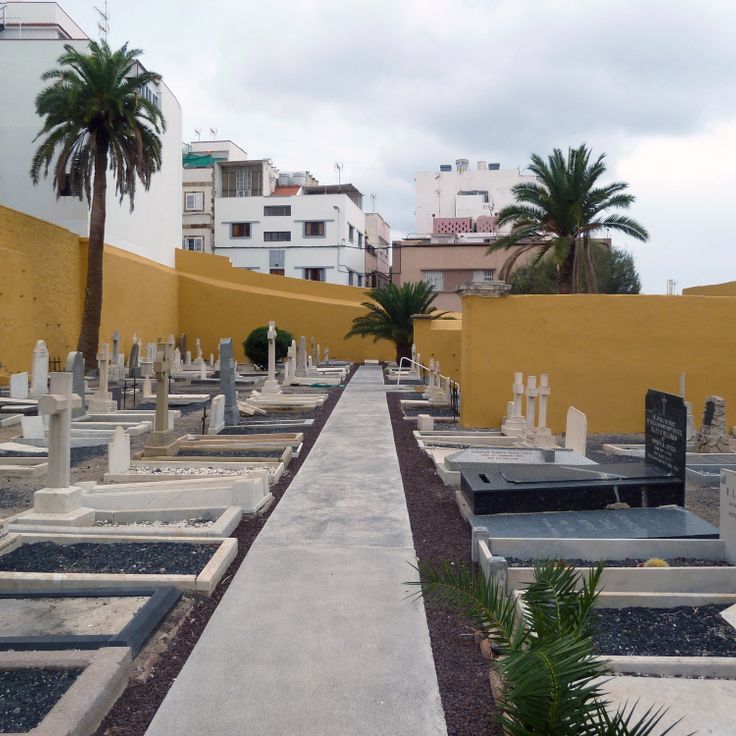
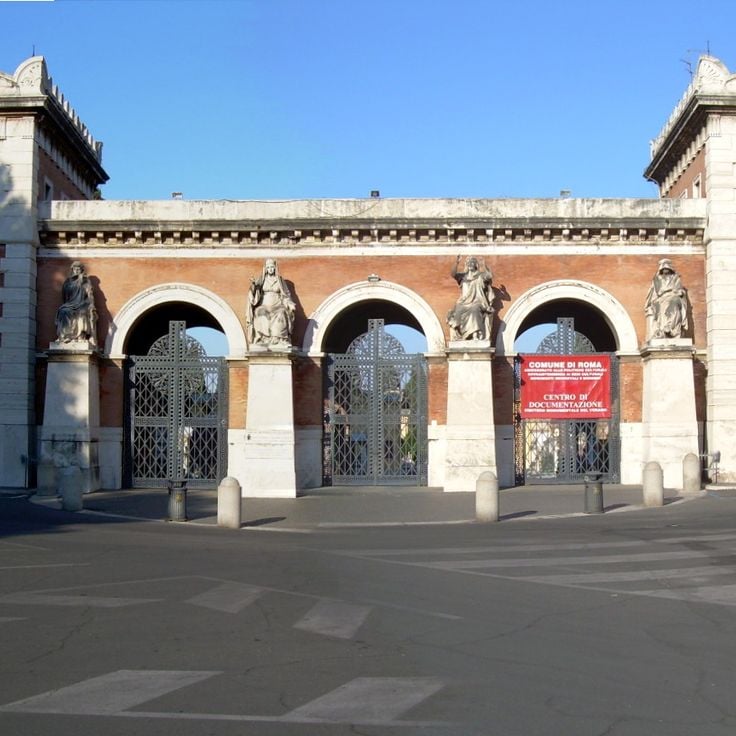
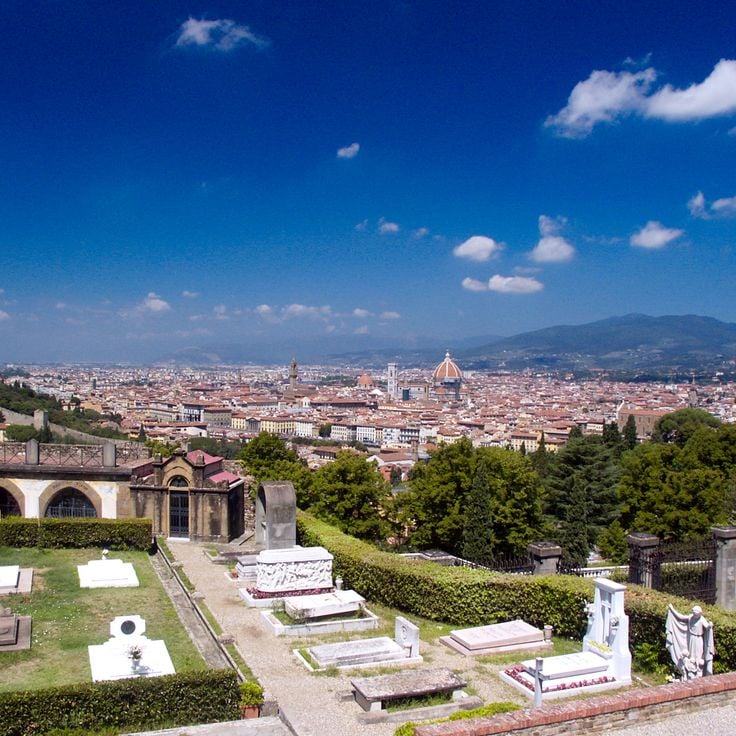
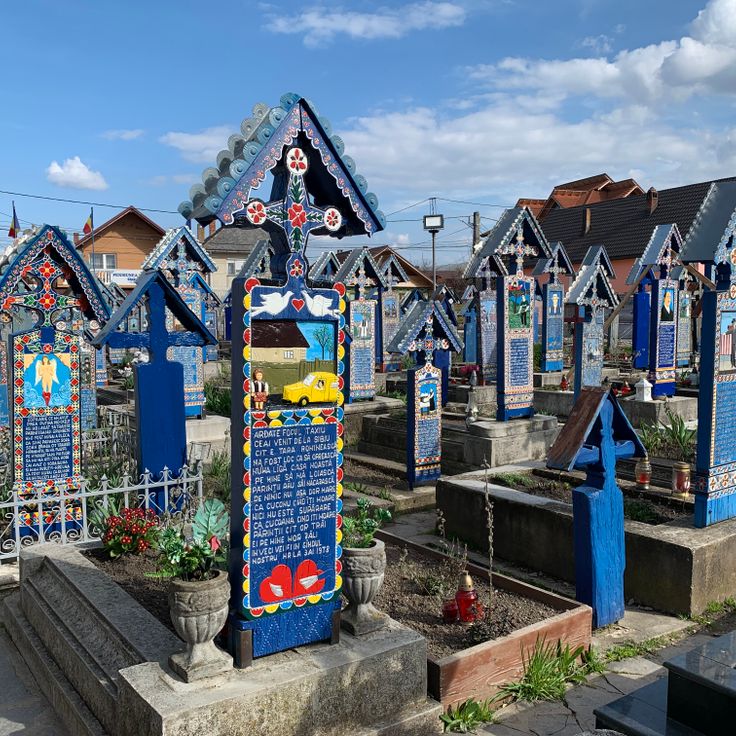
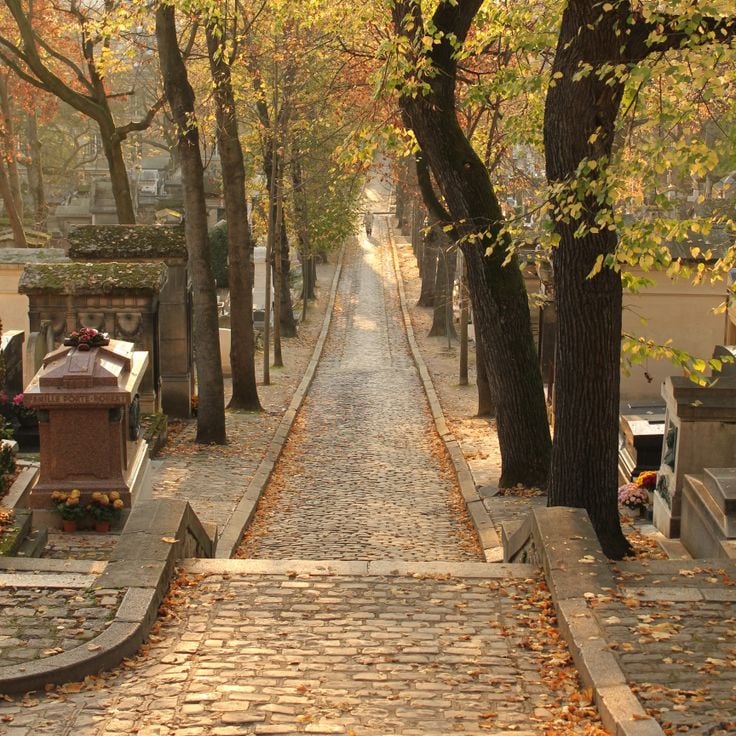
Many European cemeteries function as more than burial grounds. They represent significant architectural and cultural sites that developed from the 18th through the 20th centuries, reflecting evolving burial traditions and social changes across this period. These spaces contain monumental sculptures, elaborate tombs and mausoleums created by leading artists and architects of their eras. Many also provide expansive green spaces suitable for walking and contemplation. This collection includes Vienna's Zentralfriedhof, final resting place of numerous composers, and Paris's Père Lachaise, where writers, artists and historical figures are buried. London's Highgate Cemetery features Victorian architecture and winding pathways. In Genoa, the Staglieno Monumental Cemetery spreads across multiple terraces with notable marble work. Zagreb's Mirogoj combines Austro-Hungarian design with Mediterranean elements, while Warsaw's Jewish Cemetery on Okopowa Street stands as an important record of Polish Jewish history. Additional sites include Gothenburg's Western Cemetery, Prague's Vyšehrad Cemetery housing Czech cultural figures, and Budapest's Kerepesi Cemetery serving as a national memorial. The collection also features Moscow's Novodevichy Cemetery, Copenhagen's Assistens Cemetery, and Barcelona's Montjuïc Cemetery. Notable mentions include Hamburg's Ohlsdorf Cemetery, one of the world's largest park cemeteries, and Romania's Merry Cemetery in Săpânța, recognized for its colorfully painted wooden crosses.